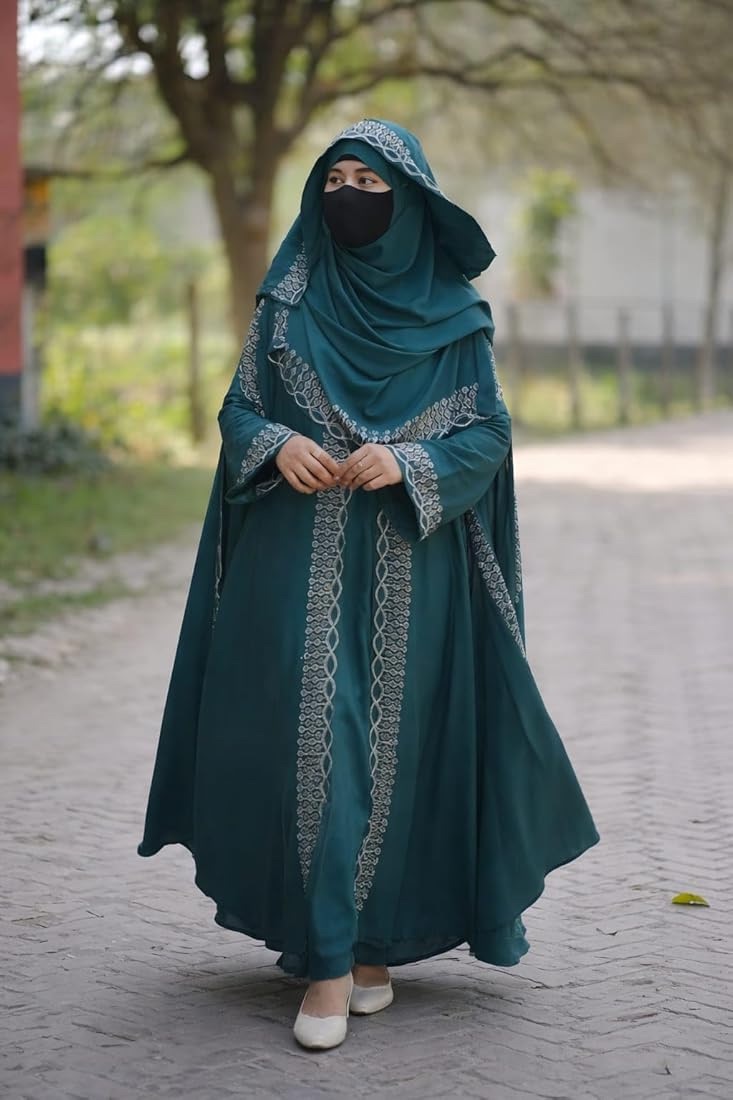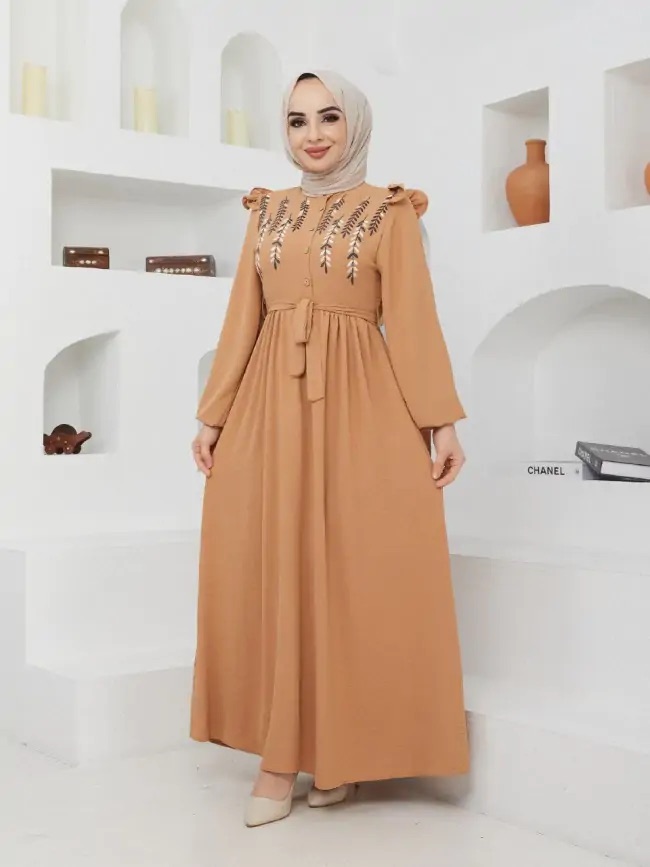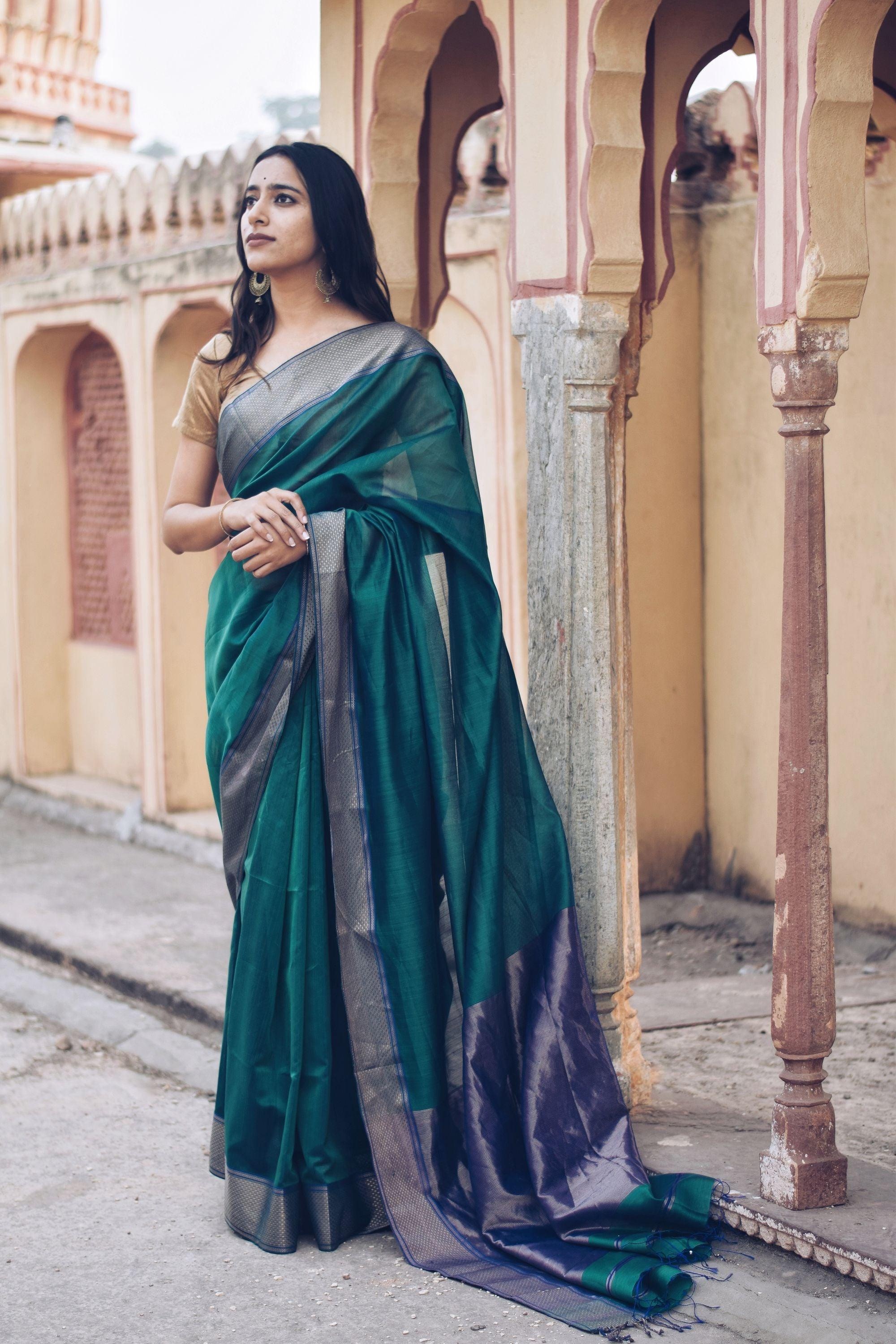
From the banks of the Narmada to the palaces of the Gulf, royal women have always spoken through what they wore. The Queen's Heritage Loom brings their six signature garments under one roof — woven, embroidered and draped for the queen in you.

In 1767, Queen Ahilyabai Holkar did not merely wear a saree — she designed one. Every Maheshwari drape still carries her signature: the geometry of fort walls woven into its border, and the Narmada at dusk shimmering through its silk-cotton weave.
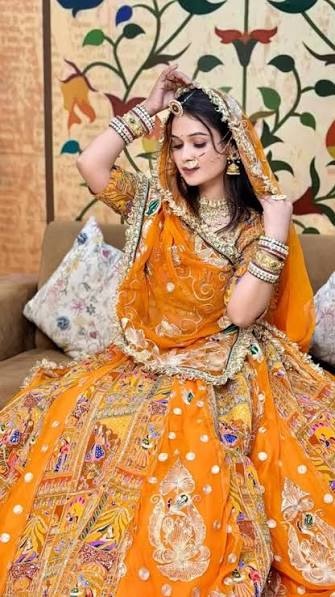
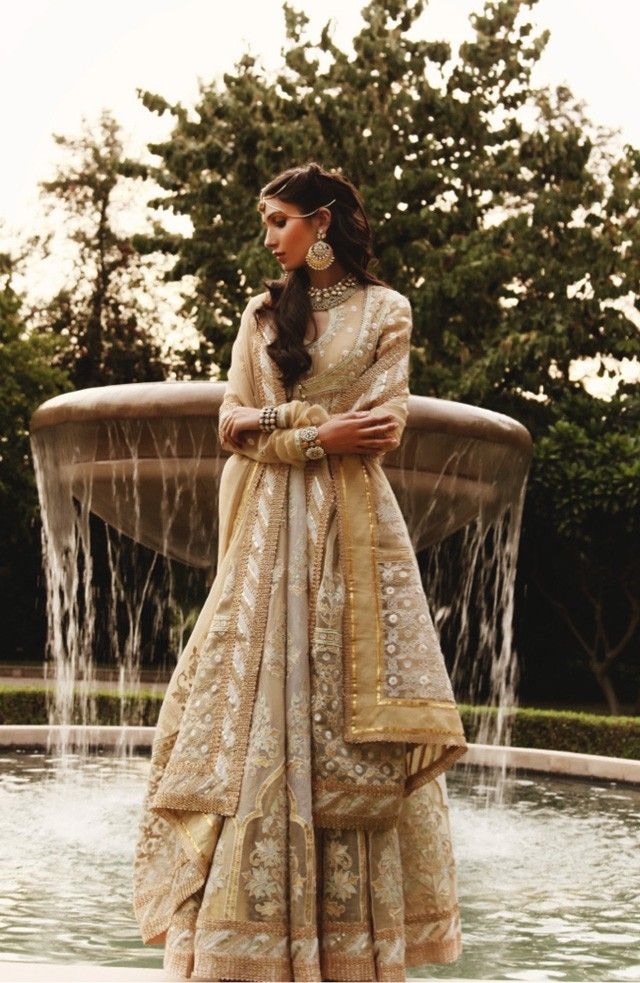
Behind the sandstone jharokhas of Jaipur and Udaipur, maharanis moved in sunset-coloured ghagras edged with gold gota. A Rajpoot queen's poshak was her banner — worn with the pride of a warrior house.

Nur Jahan ruled an empire — and its wardrobe. The anarkali's fitted bodice and cascading flare were born to twirl in torch-lit durbars, and they still turn every floor into a court.

In Isfahan's mirrored halls, a queen dressed like a walking garden — embroidery blooming over flowing silk, grace worn as quietly as perfume. The Persian robe is layered poetry, revived.

From the silk-hung chambers of Topkapi, Hurrem Sultan rose to co-rule an empire, draped in gold-threaded velvet. The Turkish gown carries that same quiet declaration: she who wears it commands the room.
In the palaces of the Gulf, power moves in flowing silk. The abaya is the modern queen's robe of state — unhurried, immaculate, its embroidery speaking only to those close enough to matter.